If you’re reading along on Kindle Unlimited this month, a few of my books are part of special January collections—all available to borrow in KU.
Heir to Malla is included in this collection, which highlights first-in-series reads. If you enjoy immersive historical worlds, political intrigue, and slow-burning emotional stakes, this is a great place to begin the Land of Magadha trilogy.
Both King in Hiding and Broken King are featured in this romance-focused KU collection. You’ll find a wide range of love stories here—from quiet, character-driven journeys to emotionally charged royal romances.
This Kindle Unlimited collection celebrates fresh starts and second chances, and it includes King in Hiding and Broken King. If you’re in the mood for stories about renewal, healing, and unexpected love, this collection is worth browsing.
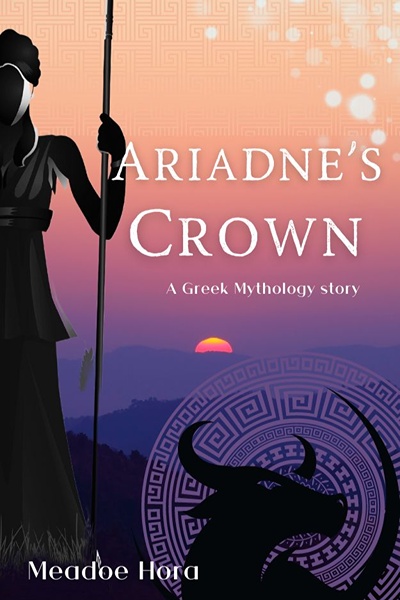
For fans of Circe and Elektra, a powerful retelling about the woman behind one of the greatest Greek myths. An entertaining young adult/mythology/epic novel available in KU.
If you have Kindle Unlimited, feel free to explore these collections and borrow whichever story catches your fancy. It’s a wonderful way to discover new authors—and perhaps revisit a familiar world.
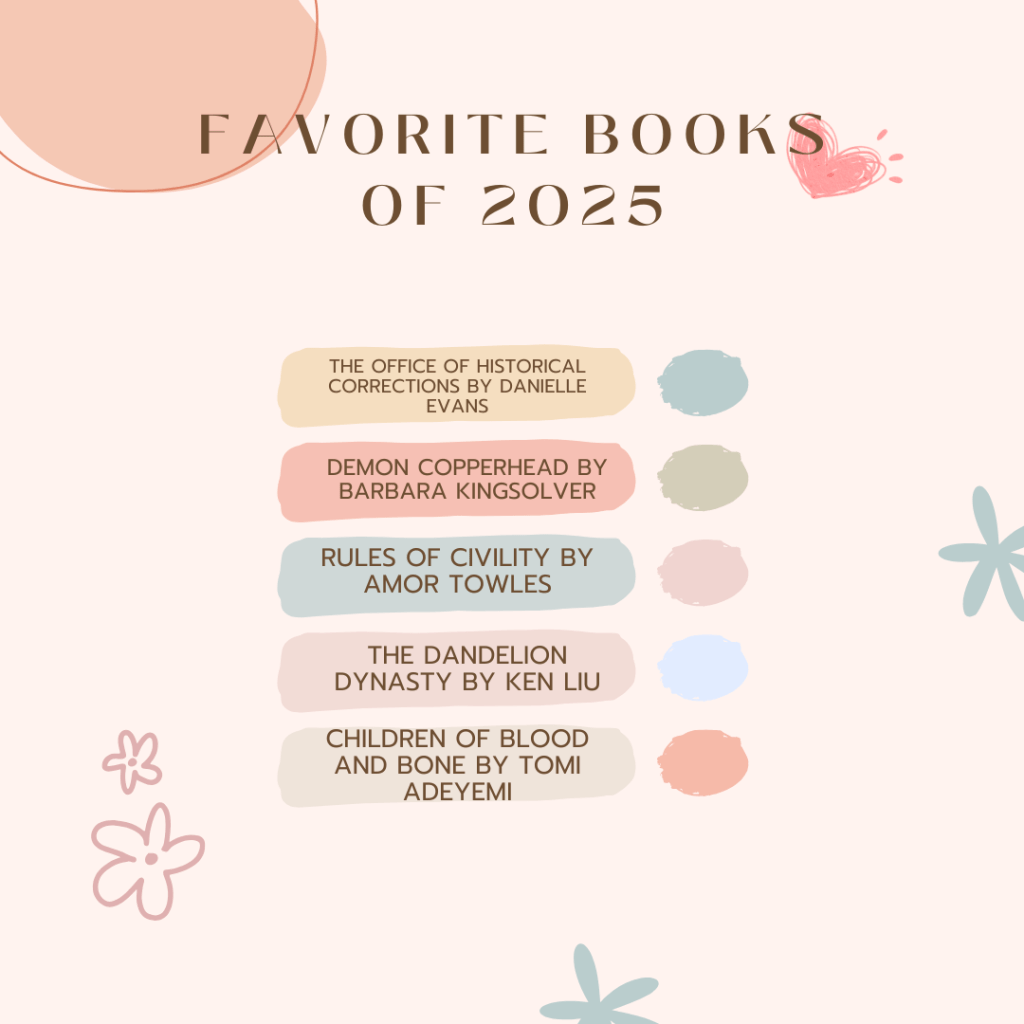
Choosing favorites is always hard, but these five books refused to let go of me. I kept thinking about them long after I turned the last page—pausing to reread passages, sitting quietly with my thoughts, and feeling everything. These are the books that stayed.
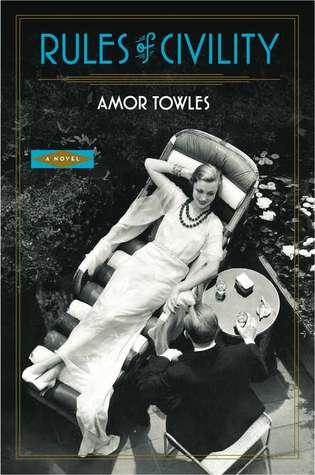
Rules of Civility by Amor Towles
I devoured this one in three days—sneaking pages in with my morning coffee and choosing it over television at night. There are no dragons here, no epic quests or looming catastrophes. Instead, Towles gives us exquisite prose, beautifully drawn characters, and a New York City that feels alive on the page. It’s elegant, immersive, and quietly unforgettable.
Demon Copperhead by Barbara Kingsolver
I first read David Copperfield as a child, and Dickens has always had a permanent place on my shelves (A Tale of Two Cities still holds my heart). So I expected Kingsolver’s reimagining to be powerful—but I wasn’t prepared for how much it would ache. Chapter after chapter squeezed my heart. When you start worrying about a fictional character as if they were real, you know the author has done something extraordinary.
The Office of Historical Corrections by Danielle Evans
This was my first time reading Danielle Evans, and it absolutely won’t be my last. These stories are sharp, unsettling, and astonishingly precise. Each one gently pulls the rug out from under you—questioning history, memory, and the assumptions we don’t even realize we’re carrying. More than once, I just sat there afterward, breathless. Read these slowly. Let them sit with you.
Children of Blood and Bone by Tomi Adeyemi
I finally picked up my signed copy—one I bought from my local bookstore, Mysterious Galaxy, during the pandemic—and I’m so glad I did. This is a fierce, heart-pounding start to a series, rooted in real-world mythologies and brought vividly to life. The magic is rich, the stakes are high, and the emotional core hits exactly where it should.
The Dandelion Dynasty by Ken Liu
I finished Speaking Bones, the final book in the series, and honestly—wow. How does one mind imagine a world this vast, filled with so many deeply human characters? Ken Liu brings four books’ worth of intricate plotting to a powerful, satisfying close, even weaving one of the gods back into the story. This is epic fantasy in the truest sense, and it’s absolutely worth the journey.
🌸 Honorable Mentions
The Kiss Quotient by Helen Hoang — Warm, heartfelt, and beautifully written. Stella and Michael lived up to all my hopes.
Never Meant to Stay by Trisha Das — A modern Indian romance that left me smiling. I’ll definitely be reading more from her.
Conclave by Robert Harris — I watched the movie first (I know, I broke my own rule), but the book still surprised me. A gripping look at papal elections, full of intrigue and a sharp twist.
The Worldly Philosophers by Robert L. Heilbroner — Thoughtful and illuminating. A reminder that the people who shaped economic thought were deeply human—flawed, curious, and fascinating.
If there’s one thing this list reminds me of, it’s how generous reading can be—from quiet literary novels to sweeping fantasy, from romance to philosophy. These books shaped my year, and I’m grateful for every one of them.
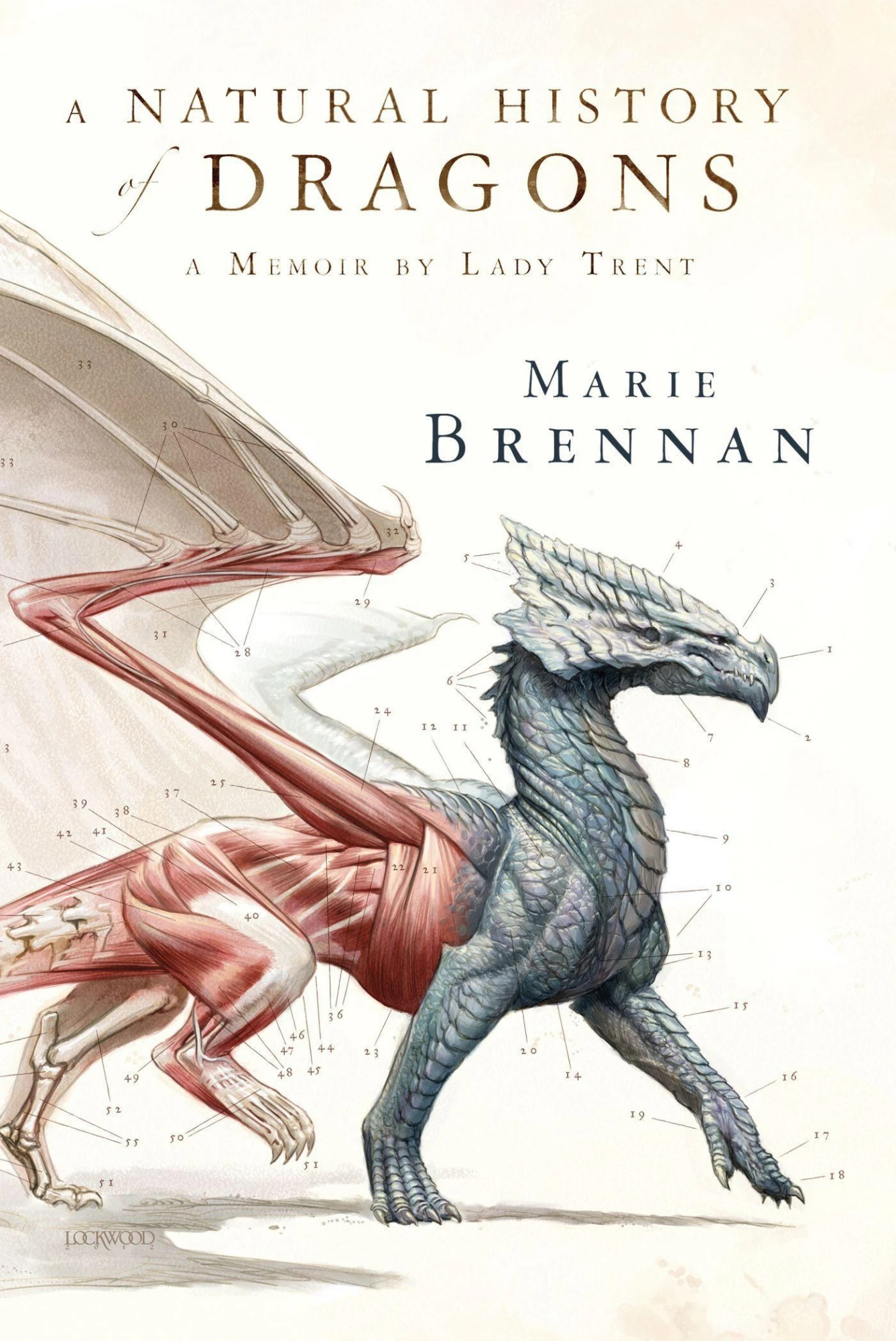
First off, hats off to the beautiful artwork that accompanies this book—the dragon illustrations are absolutely stunning. This is a very different kind of fantasy from what I usually read. Set in a Victorian-era–inspired world, the story unfolds as the memoir of our protagonist, Isabella, written when she looks back on her life beginning at nineteen.
The author paints a clear and vivid picture of Isabella: a young woman deeply passionate about science, and dragons in particular. One of my favorite scenes is a quiet, heartwarming moment with her father, who recognizes her love for learning. In a world where she is unlikely to be allowed to pursue her passions, he gives her a list of potential suitors who at least own the books she loves—so she can keep reading. It’s such a tender, realistic gesture, told entirely in the voice of a scientist, and it made me smile.
“A husband willing to fund a library for his bookish wife is not so easy to obtain; most would see it as a pointless expense. You might, however, find one willing to share his library.”
Isabella’s meeting with her future husband and their courtship are described with the same analytical restraint—observed, measured, and yet surprisingly moving. The author somehow manages to keep everything fully in character while still warming the reader’s heart. Isabella’s first expedition with her husband forms the backbone of the novel, chronicling their study of dragons, complete with a touch of mystery and a wonderful cast of side characters, each with distinct personalities.
“The dragon within my heart stirred, shifting her wings, as if remembering they could be used to fly.”
My only reservation is the ending, which didn’t quite deliver the same emotional punch as some of the earlier moments. That said, this is a wonderful premise, thoughtfully executed. This kind of fantasy won’t be everyone’s cup of tea, but if you enjoy historical fiction with a speculative twist, this is well worth picking up.
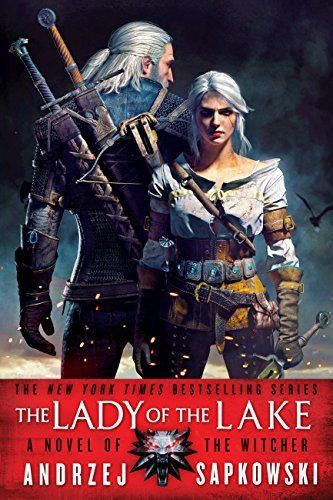
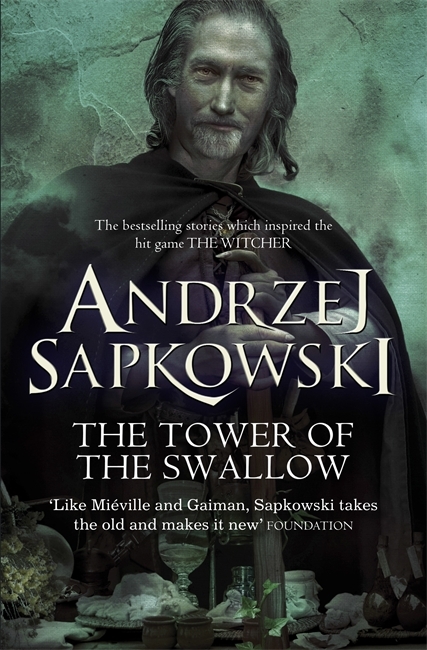
I wondered how the author would conclude this fantasy series with so many characters, plots, and subplots, and I was pleasantly surprised by the ending. In the previous book, we left Ciri in a different world with the elves, who knew of the prophecy and her supposed role in it. In this book, Ciri is trying to return to Geralt and Yennefer, who are each fighting their own battles.
The Battle of Brenna is one of the highlights of the novel. Told through multiple points of view—especially from the perspective of the field hospital staff struggling to save lives—it is written with remarkable skill and emotional impact. Another clever narrative choice is the way the author lets us glimpse the future, where the present story has already turned into legend, and then allows those future characters to influence events in the present.
The ending is open to interpretation, and I can see how some readers might be unhappy with it—particularly with how Emperor Emhyr’s quest concludes, what becomes of Geralt and Yennefer, and where Ciri ultimately ends up. For me, though, this was a satisfying, if unorthodox, conclusion to the series.
This is a series that will truly benefit from a reread; there are so many Easter eggs and layered details that are easy to miss the first time around. I am not sure when I would have the time or energy to re-read the series. Happy reading.
“I’m alive, she thought. So it’s not the end of the fight. The fight only end with death, everything else is just an interruption”
“Any dream that we dream for too long becomes a nightmare. And from it we awake with a scream.”
December is always a generous month in the book world, and this year my books are part of several wonderful group promotions run by fellow authors. If you’re looking to stock up your winter reading pile—especially if you have Kindle Unlimited—this is a great time to do it.
If romance is your comfort read, King in Hiding and other romance novels are part of a KU Romance Sprintrunning through January 9, 2026. These are perfect “just one more chapter” reads for cozy evenings, and an excellent excuse to make the most of your KU subscription.
Fantasy readers, I haven’t forgotten you. Child of the River is included in Fantasy Adventures on Kindle Unlimited, which runs through January 8, 2026. If you love immersive worlds, magic, and long journeys, this is a treasure trove of KU reads waiting to be discovered.
And if the word free makes your reader heart beat faster: Prince in Shadow is part of Fantastic FREE Fantasy – December, available through December 31, 2025. Consider this my small holiday gift to you.
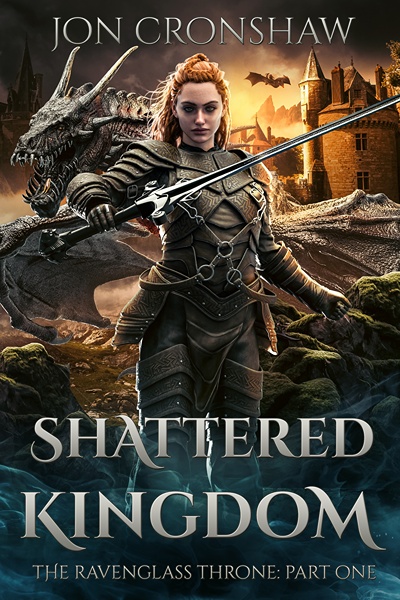
While you’re browsing, I also want to highlight a KU fantasy: Shattered Kingdom: Episode One of the Nobledark Fantasy Serial by Jon Cronshaw.
Three sisters. One murdered king. A kingdom on the brink.
With savage wyverns, decaying magic, and a conspiracy centuries in the making, this nobledark fantasy is rich with betrayal, sisterhood, and sacrifice.
If you love Robin Hobb, Katherine Addison, or Samantha Shannon, this is one to add to your list before the kingdom burns.
December is the season of stories—old favorites, new discoveries, and worlds waiting to be explored. I hope you find something here that keeps you warm through the longest nights of the year. 📖✨
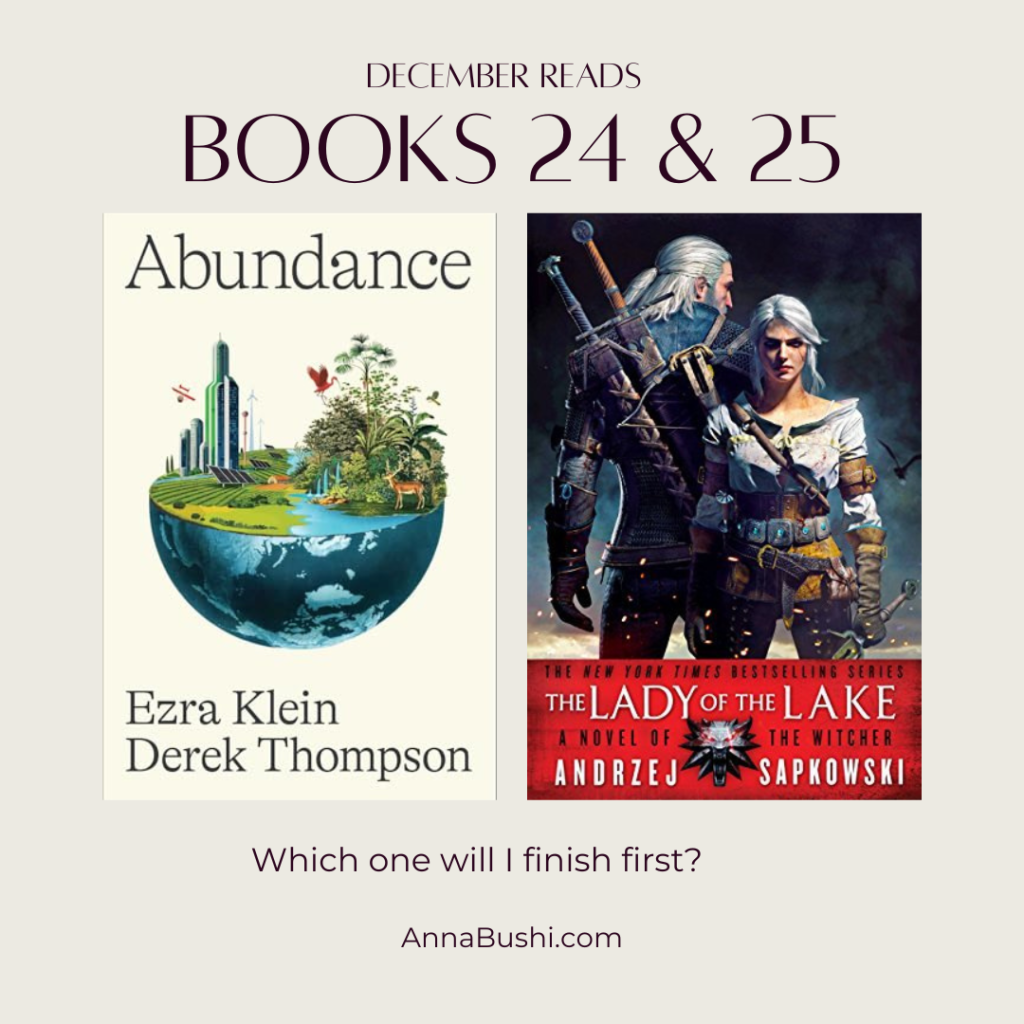
As the year winds down, I’ve been taking stock of my reading goals—because of course I have. My goal for 2025 was to read 25 books. As of now, I’m at 23, and currently reading two books at once: Abundance (non-fiction) and Lady of the Lake, the final book in The Witcher series. Surely reading hefty fantasy tomes should count as at least two books each, right? I remain cautiously optimistic that I’ll limp across the finish line at 25 before the year ends.
In January, I’ll share my favorite reads of 2025, but for now I’m already thinking ahead. My reading goal for 2026 is—boldly, bravely—the same: 25 books. Mostly fiction, a sprinkling of non-fiction, a mix of new releases and classics I’ve somehow missed. The challenge, of course, is that as I write Book Three of my fantasy series, I’ll also be reading other fantasy novels… many of them comfortably over 100,000 words. Epic quests are wonderful. They are not fast.
Wish me luck. And tell me—what are your reading goals for 2026?
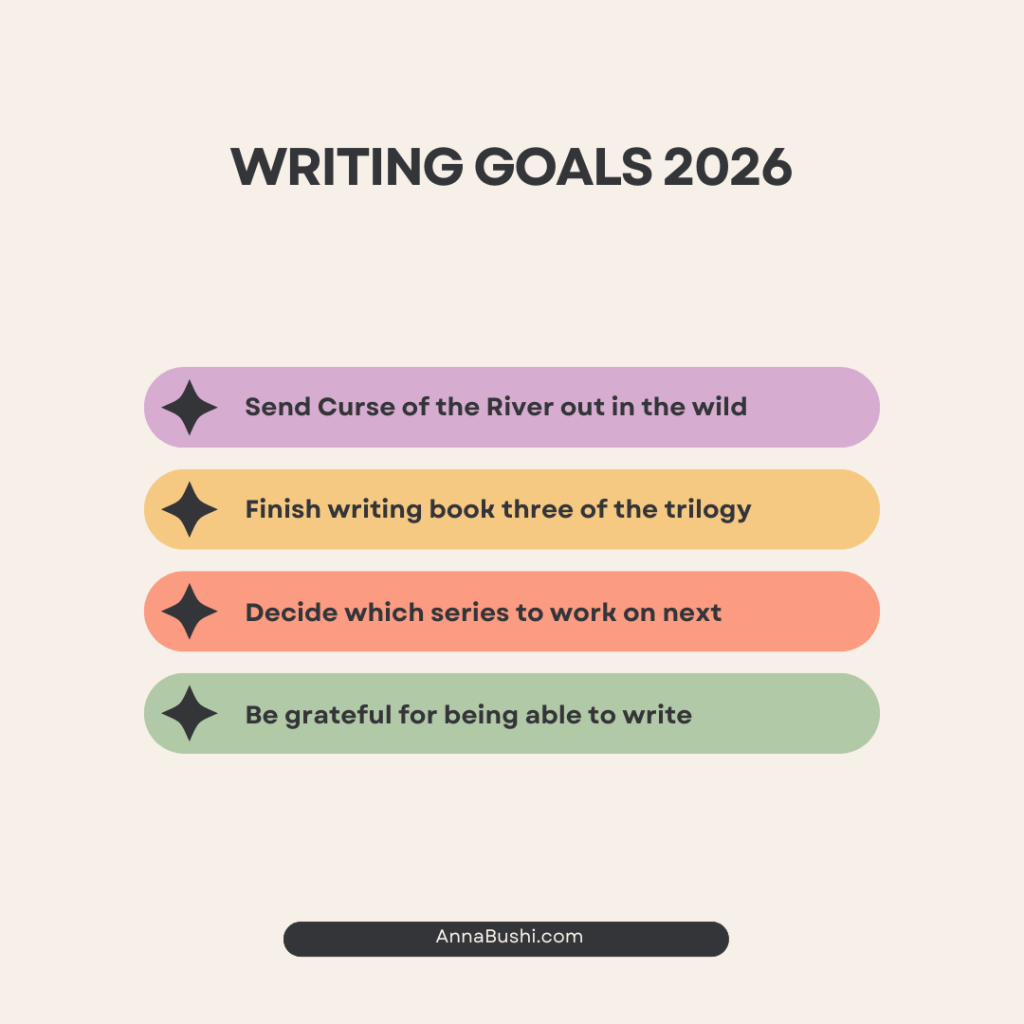
As I look toward 2026, my writing path feels both clear and a little daunting—in the best possible way. My primary goal is to publish Curse of the River, Book Two of the Prophesied Prince trilogy, and then keep my momentum going straight into writing Book Three, the conclusion of Sugandha and Atul’s journey.
This trilogy has always been a coming-of-age story at its heart—about power that is inherited, power that is chosen, and the cost of both. I’ve been planting seeds for the ending since Book One, even when I didn’t fully understand what they would grow into. Now, as I write deeper into Book Two, I can see the shape of the finale forming on the horizon.
I know this much: the ending will be bittersweet. How much bitter and how much sweet? Even I don’t know yet. My characters certainly don’t. They’re still making choices, still stumbling, still hoping. And I’m following them, page by page, trusting that the story will reveal exactly the ending it demands—whether it breaks my heart a little in the process or not.
What I do know is that I want to give this world, these characters, and you—the readers who’ve walked this road with me—the most honest ending I can write. One that lingers. One that feels earned.
Here’s to a year of rivers that refuse to stay calm, prophecies that don’t behave, and stories that insist on being told.
As I close out 2025, it feels right to finally share something I’ve been carrying quietly with me for months—the title of Book Two in the Prophesied Prince trilogy.
Curse of the River.
If Child of the River was about beginnings—a prophecy awakening, a girl fleeing grief, a prince crossing the sea—then Curse of the River is about aftermath. About what lingers once the river has spoken, once the curse has been cast, and once running is no longer enough.
Rivers, in this story, are never just water. They remember. They witness. They bless—and they punish. In Book Two, the river that shaped Sugandha’s fate refuses to loosen its grip. The magic deepens, the truths grow sharper, and the cost of survival becomes harder to ignore. Sugandha is no longer only a girl on the run; she is a young woman beginning to understand that power, once awakened, demands to be reckoned with. And Atul—still haunted by who he is and who he is not—must decide what loyalty, leadership, and sacrifice truly mean when curses do not stay neatly in the past.
I chose this title because it reflects what this book has become for me while writing it: darker, more intimate, and more unforgiving. The river does not simply carry them forward—it tests them. And sometimes, it turns against those who think they understand it.
Revealing this title feels like a promise. To higher stakes. To deeper bonds. To consequences that ripple far beyond a single choice or a single shore.
From start to finish, I devoured this book in three days—turning pages over my morning coffee and reading at night instead of watching television. There are no dragons, no grand calamities, nothing fantastical to demand attention. Instead, Towles gives us something even better: exquisite prose, fully realized characters, and a marvelous, atmospheric portrait of New York City.
Set in 1938, the story follows Katey Kontent and her roommate Eve, who meet Tinker Grey, a wealthy banker, on New Year’s Eve—and from that moment, Katey’s life shifts. Eve burns bright, all impulse and charm. Katey is the reader (I now want to read every book she references), the observer, the deep thinker. And Tinker… he’s the man doing the wrong things for what he believes are the right reasons.
“It is a lovely oddity of human nature that a person is more inclined to interrupt two people in conversation than one person alone with a book.”
“If we only fell in love with people who were perfect for us…then there wouldn’t be so much fuss about love in the first place.”
“I’ve come to realize that however blue my circumstances, if after finishing a chapter of a Dickens novel I feel a miss-my-stop-on-the-train sort of compulsion to read on, then everything is probably going to be just fine.”
This novel feels like an ode to being young—making mistakes, forging friendships, and stepping boldly into life even when you don’t fully understand it. Towles captures that restless, hopeful energy with such elegance.
I’ll definitely be reaching for more of his books.
This book picks up right where Book Three left off, with our protagonists scattered across the continent, each desperately trying to reach the others. The story unfolds through multiple POVs, across shifting timelines, and with what feels like dozens of characters and locations. I only vaguely remember some of the peripheral players, yet it never diminished my enjoyment or my ability to follow along. That may not be the case for all readers, but for me, the sheer scope of this world is part of the charm.
“Mamma, are they demons? Is it the Wild Hunt? Phantoms from hell? Mamma, mamma! Quiet, quiet, children. They are not demons, not devils . . . Worse than that. They are people.”
I remain in awe of the complex, deeply layered world the author has built—and the authentic voices he manages to give every single character. Not much “happens” in the grand scheme of the series arc. The violence and torture are graphic, and I skimmed those sections.
Geralt is no longer hunting monsters; he is knee-deep in political intrigue, trekking toward Ciri with a vampire, Dandelion, an archer, and Cahir as companions. Their interactions and misadventures are consistently engaging. Dandelion is, of course, writing a memoir—glimpses of which we get—and it adds a humorous, meta touch. Yennefer appears only briefly, while Ciri’s story is mostly told in flashback, and just when we catch up to the present timeline… the book ends abruptly.
Some sequences, like the ice-skating scene near the end, are elaborate and beautifully constructed—showcasing the author’s incredible choreography. I’m honestly not sure how he plans to wrap up this sprawling saga in one final book, but I’m eager to find out. I’ll be diving into the next one soon.




 Anna Bushi