What The Poppy War Made Me Think About

The Poppy War starts with an entrance exam that feels so much like the IIT entrance exam in India — where over 1.3 million students compete for roughly 18,000 spots, a less than 1% acceptance rate. Since the book is set in a China-inspired world, I assume it draws from a similar tradition.
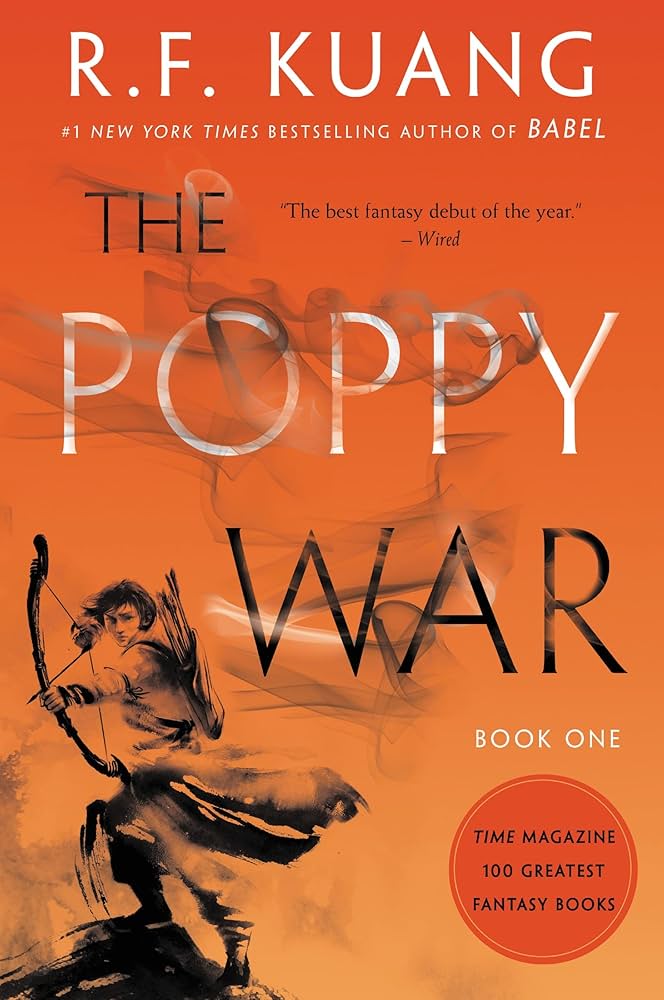
One passage near the end hit me hard. The enemy attacked the land of our protagonist Rin because they did not think of her people as human. Here is the line:

“And if your opponent was not human, if your opponent was a cockroach, what did it matter how many of them you killed?”

How many times have we seen this repeat throughout human history? The British massacred Indians during their occupation because they considered them less than human — a people with rich literature, religion, and art history, dismissed as illiterate. That framing kept their conscience protected. The logic was always the same: if the other is not fully human, then what you do to them does not count.

One of the joys of reading is building a strong empathy for fictional characters that serves us well in real life too. That is what keeps me reading.

Loved this book. The magic felt real, the world-building is immersive, and the grounding in actual history adds layers of complexity the story earns. Rin is a genuinely grey protagonist — flawed, struggling, and utterly believable. Her fight to hold onto her humanity while facing a ruthless enemy, and to discern what the right path even looks like in that darkness, is what lingers long after the last page.

Looking forward to books two and three, and to seeing where Rin’s journey takes her — in the physical world, the spiritual, and her emotional growth.
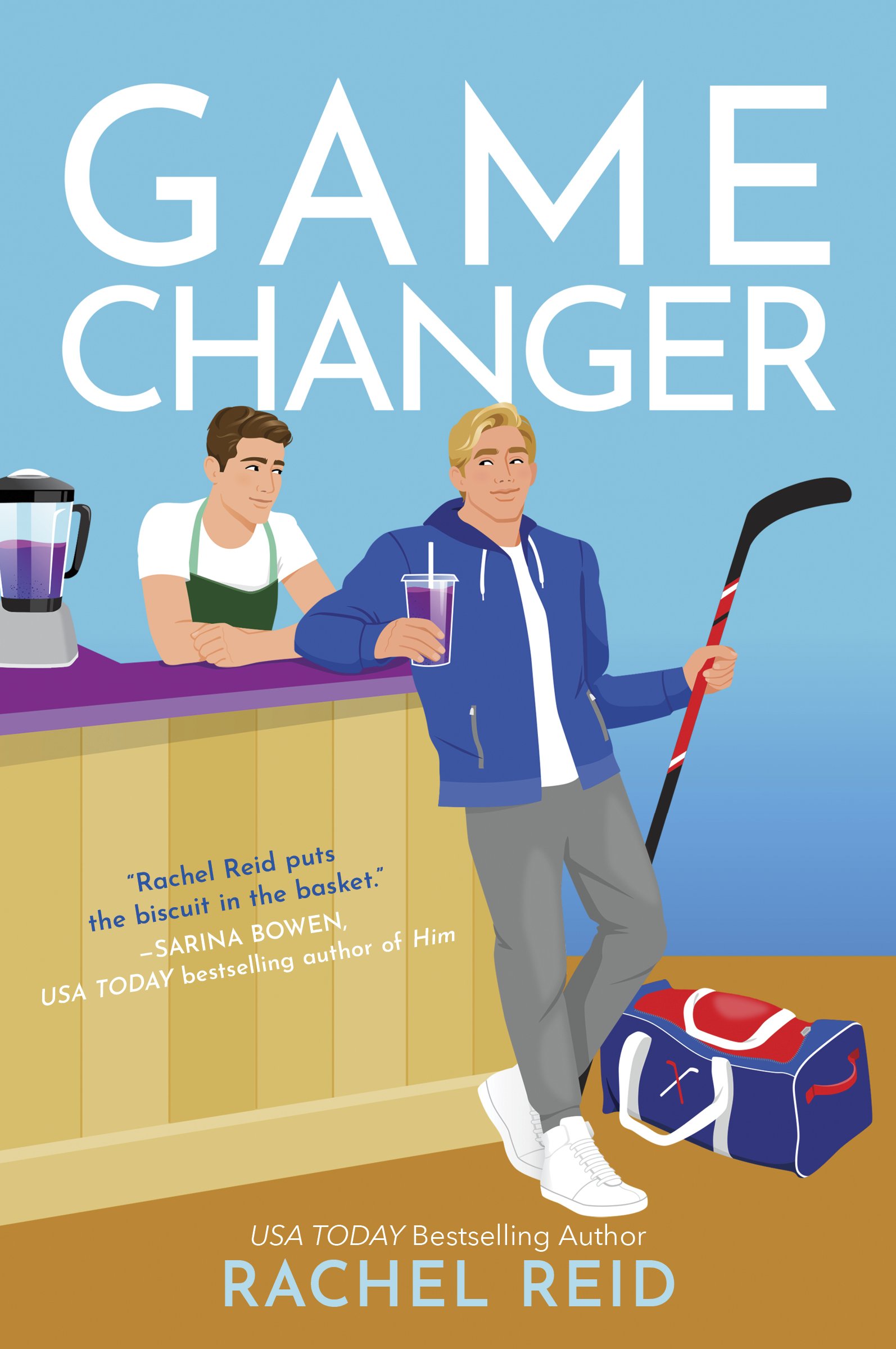
A Little “Wordly Detour”: My Thoughts on Game Changers by Rachel Reid

If you’ve been following my writing journey, you know I usually spend my days lost in medieval India. My head is full of heavy crowns, ancient duties, and that slow, breathless tension of a hand-brush in a crowded royal court. But lately, I decided to take a bit of a detour into the modern world with Rachel Reid’s Game Changers.

If you’re on social media at all, you’ve probably seen the buzz about the HBO adaptation of her series, specifically Heated Rivalry. Now, I have a rule that I usually follow: I do not watch the show before I’ve read the books! So, I dove into this contemporary M/M sports romance, and I walked away with two big realizations.

First, I have to say, I really tip my hat to contemporary romance novelists. In a way, their job is much harder than mine! In my stories, the obstacles are built into the world. We have cultural taboos, royal mandates, and rigid hierarchies that do the heavy lifting of keeping my couples apart.

But in a modern setting, especially M/F stories set in America, those external walls aren’t always there. Sometimes, to keep the plot moving, an author has to make characters act a little bit irrational. If they both just realized they were deeply in love by chapter three, the book would be over! Unless it’s handled perfectly, that “forced hatred” can start to feel a little contrived.

That’s why I found the “pro sports” niche so clever. Much like the prince in Red, White & Royal Blue, these athletes have very real, high-stakes hurdles. In Game Changers, the locker room and the public eye become the “castle walls” that keep them apart, even when they know exactly how they feel.

As for the book itself? It was an easy, fun read, and I enjoyed it. That said, I’ve confirmed that I am firmly a “closed door” romance person. I’ve always been a disciple of Jane Austen; I think the most profound love happens in those quiet moments where characters fall for each other without even a kiss.

In my own books, I’m much more of a “fingertips touching” kind of writer. For me, the explicit scenes actually pulled me out of the romance a bit. I suppose my heart just belongs to that simmering, quiet tension of the historical world!

The Verdict: A wonderfully crafted modern love story. Just be aware that if you prefer the “fingertips touching” style like I do, this one is quite spicy!

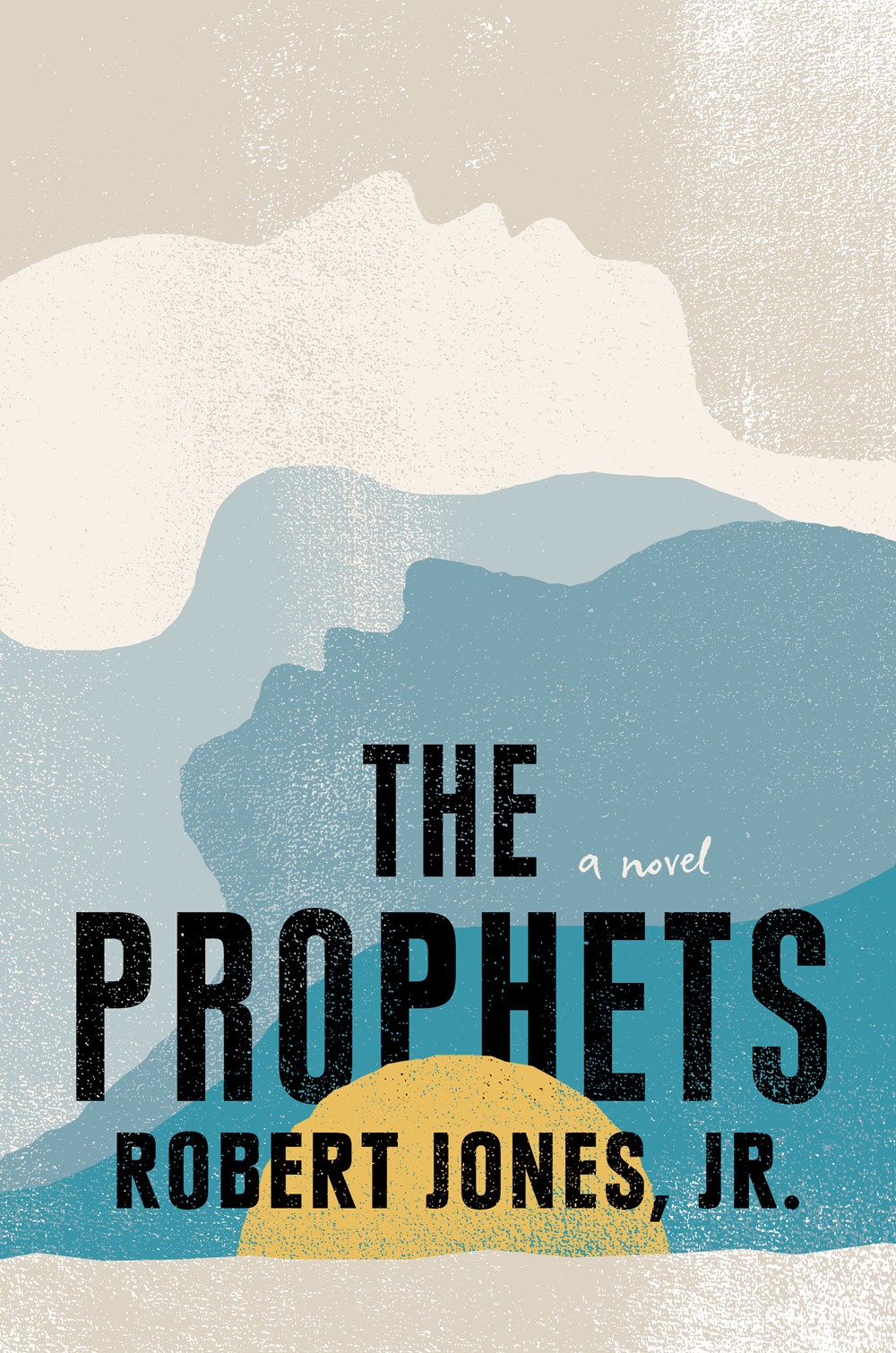
Review: The Prophets by Robert Jones Jr.

This is, at its heart, a love story between two young people. That they are two men is almost beside the point; their love gives those around them hope that such comfort could exist in such an “Empty” place. The story is set on a plantation called Empty in the American South, following both the enslaved people and those who claimed to own them.

Every character is multi-faceted and feels like a real human being, a bit of good, a bit of bad, and a whole lot of complex feelings. Most chapters are narrated by a different character, and it is amazing how the author uses only his words to paint such brilliant portraits. As I read, I felt as if I were standing on a forest floor with grass under my feet and oppressive heat coating my skin, longing for rain.

The chapters set in Africa were my personal favorite; I found myself wanting to learn even more about the cultures, customs, and stories of that time. And that ending—it truly has to be experienced. This book is a powerful example of how we all have stories within us that only we can tell. A brilliant debut novel.

What’s on my Nightstand

With everything going on in the world lately, I’ve found myself retreating into stories that offer both comfort and deep reflection. I truly believe that fiction allows us to experience the lives of the past and draw parallels to our present. Here is what has been keeping me company:

Healing with Simon Snow

I recently turned to Rainbow Rowell’s Simon Snow series. If you haven’t discovered her work yet, I recommend starting with Fangirl. It’s a delightful story about a protagonist finding herself through writing fan fiction for a series similar to Harry Potter.

The Simon Snow series is that fan fiction brought to life.

  • Book One (Carry On): The “Chosen One” meets his destiny and falls in love. Once the character Baz appears, the book is all heart.
  • Book Two (Wayward Son): This feels like the author’s fantasy come alive—she brings these characters to her home state of Nebraska! I completely relate to this; what is the point of being an author if you cannot write your fantasies on paper?
  • Book Three (Any Way the Wind Blows): This explores the real aftermath of the hero’s journey. How does one move on once the “evil” is destroyed? It was beautifully written and exactly what I needed to heal.

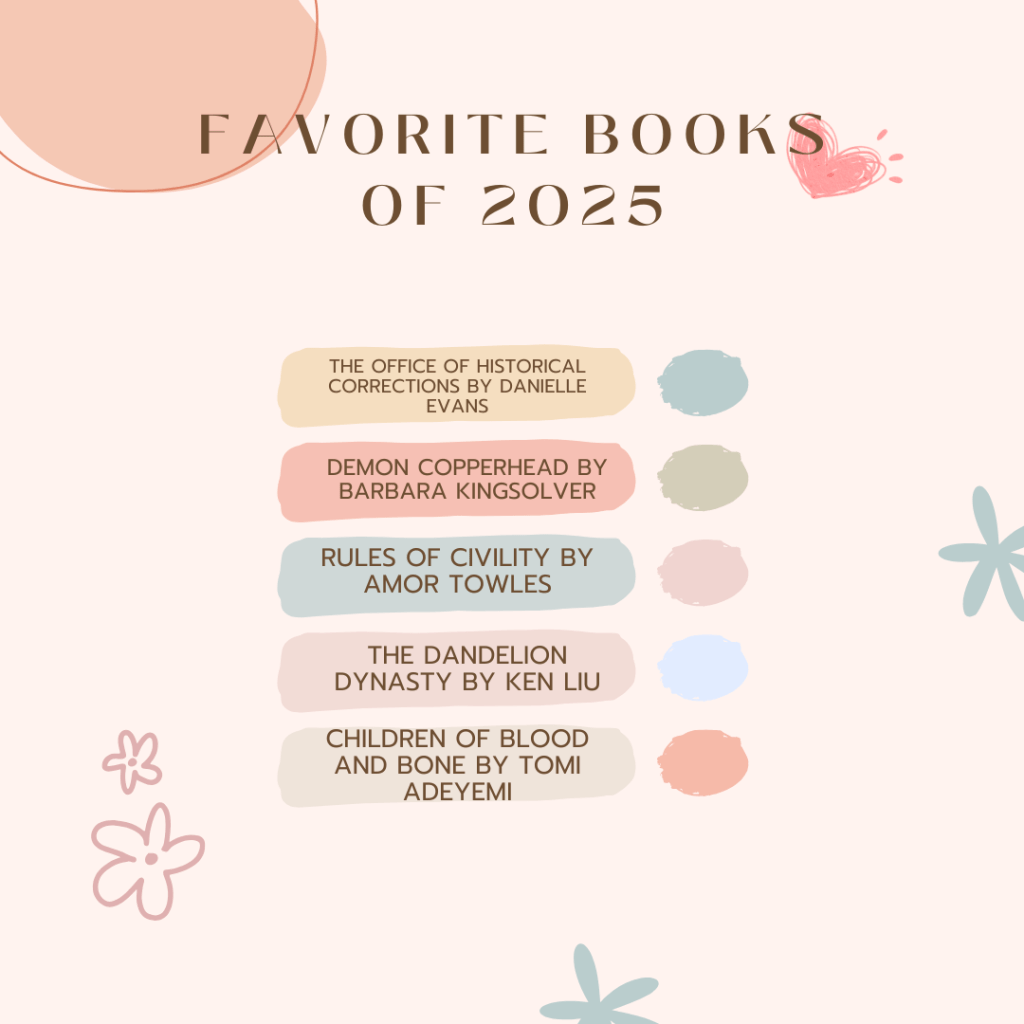
📚 My Top Five Books of 2025

Choosing favorites is always hard, but these five books refused to let go of me. I kept thinking about them long after I turned the last page—pausing to reread passages, sitting quietly with my thoughts, and feeling everything. These are the books that stayed.

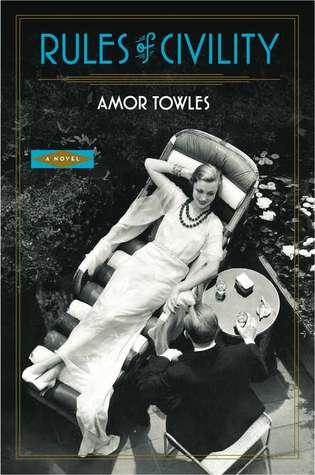
Rules of Civility by Amor Towles

I devoured this one in three days—sneaking pages in with my morning coffee and choosing it over television at night. There are no dragons here, no epic quests or looming catastrophes. Instead, Towles gives us exquisite prose, beautifully drawn characters, and a New York City that feels alive on the page. It’s elegant, immersive, and quietly unforgettable.


Demon Copperhead by Barbara Kingsolver

I first read David Copperfield as a child, and Dickens has always had a permanent place on my shelves (A Tale of Two Cities still holds my heart). So I expected Kingsolver’s reimagining to be powerful—but I wasn’t prepared for how much it would ache. Chapter after chapter squeezed my heart. When you start worrying about a fictional character as if they were real, you know the author has done something extraordinary.


The Office of Historical Corrections by Danielle Evans

This was my first time reading Danielle Evans, and it absolutely won’t be my last. These stories are sharp, unsettling, and astonishingly precise. Each one gently pulls the rug out from under you—questioning history, memory, and the assumptions we don’t even realize we’re carrying. More than once, I just sat there afterward, breathless. Read these slowly. Let them sit with you.


Children of Blood and Bone by Tomi Adeyemi

I finally picked up my signed copy—one I bought from my local bookstore, Mysterious Galaxy, during the pandemic—and I’m so glad I did. This is a fierce, heart-pounding start to a series, rooted in real-world mythologies and brought vividly to life. The magic is rich, the stakes are high, and the emotional core hits exactly where it should. 


The Dandelion Dynasty by Ken Liu

I finished Speaking Bones, the final book in the series, and honestly—wow. How does one mind imagine a world this vast, filled with so many deeply human characters? Ken Liu brings four books’ worth of intricate plotting to a powerful, satisfying close, even weaving one of the gods back into the story. This is epic fantasy in the truest sense, and it’s absolutely worth the journey.


🌸 Honorable Mentions

  • The Kiss Quotient by Helen Hoang — Warm, heartfelt, and beautifully written. Stella and Michael lived up to all my hopes.
  • Never Meant to Stay by Trisha Das — A modern Indian romance that left me smiling. I’ll definitely be reading more from her.
  • Conclave by Robert Harris — I watched the movie first (I know, I broke my own rule), but the book still surprised me. A gripping look at papal elections, full of intrigue and a sharp twist.
  • The Worldly Philosophers by Robert L. Heilbroner — Thoughtful and illuminating. A reminder that the people who shaped economic thought were deeply human—flawed, curious, and fascinating.

If there’s one thing this list reminds me of, it’s how generous reading can be—from quiet literary novels to sweeping fantasy, from romance to philosophy. These books shaped my year, and I’m grateful for every one of them.

Tell me—what were your favorite reads of 2025?

My first review of 2026

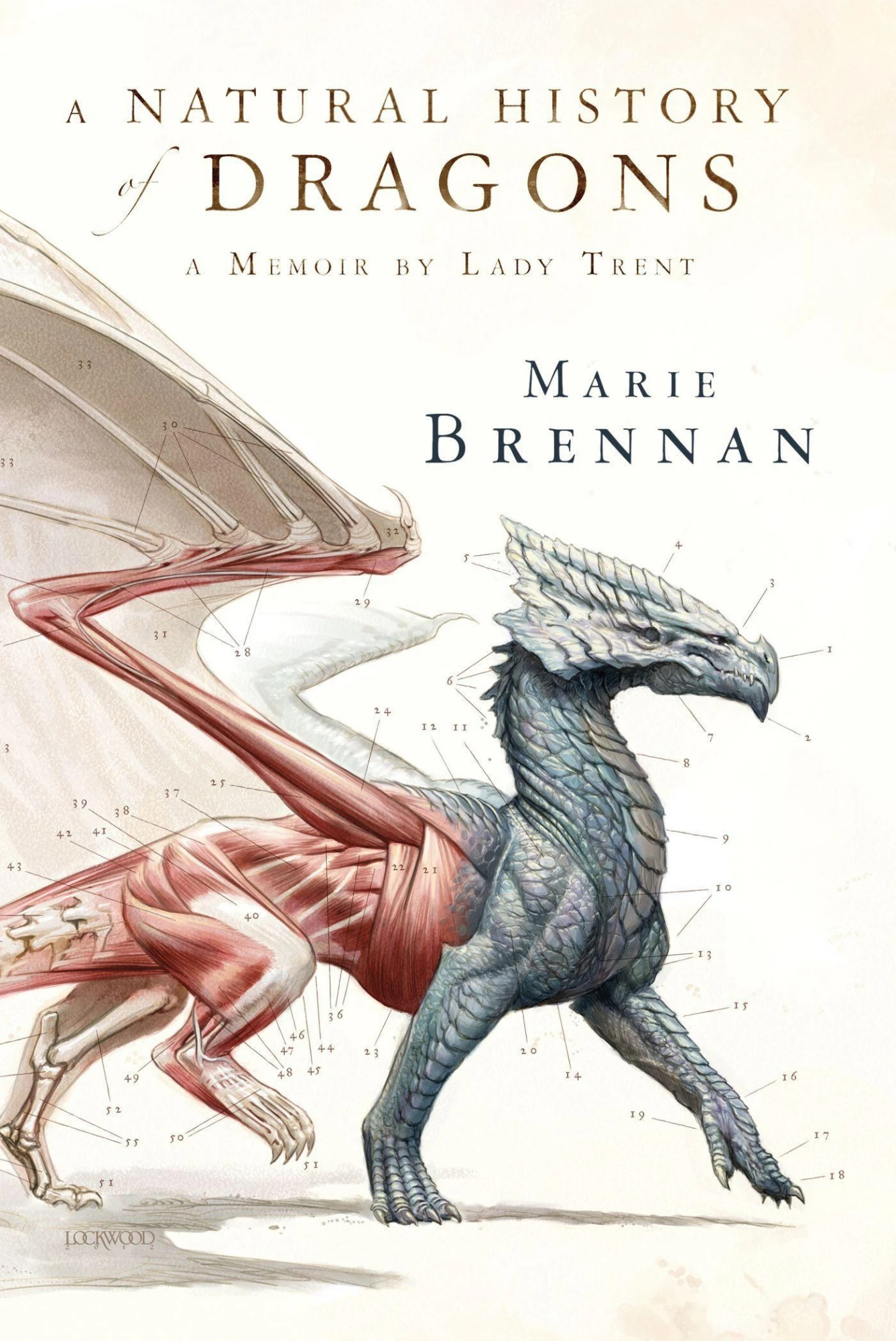
First off, hats off to the beautiful artwork that accompanies this book—the dragon illustrations are absolutely stunning. This is a very different kind of fantasy from what I usually read. Set in a Victorian-era–inspired world, the story unfolds as the memoir of our protagonist, Isabella, written when she looks back on her life beginning at nineteen.

The author paints a clear and vivid picture of Isabella: a young woman deeply passionate about science, and dragons in particular. One of my favorite scenes is a quiet, heartwarming moment with her father, who recognizes her love for learning. In a world where she is unlikely to be allowed to pursue her passions, he gives her a list of potential suitors who at least own the books she loves—so she can keep reading. It’s such a tender, realistic gesture, told entirely in the voice of a scientist, and it made me smile.

“A husband willing to fund a library for his bookish wife is not so easy to obtain; most would see it as a pointless expense. You might, however, find one willing to share his library.”

Isabella’s meeting with her future husband and their courtship are described with the same analytical restraint—observed, measured, and yet surprisingly moving. The author somehow manages to keep everything fully in character while still warming the reader’s heart. Isabella’s first expedition with her husband forms the backbone of the novel, chronicling their study of dragons, complete with a touch of mystery and a wonderful cast of side characters, each with distinct personalities.

“The dragon within my heart stirred, shifting her wings, as if remembering they could be used to fly.”

My only reservation is the ending, which didn’t quite deliver the same emotional punch as some of the earlier moments. That said, this is a wonderful premise, thoughtfully executed. This kind of fantasy won’t be everyone’s cup of tea, but if you enjoy historical fiction with a speculative twist, this is well worth picking up.

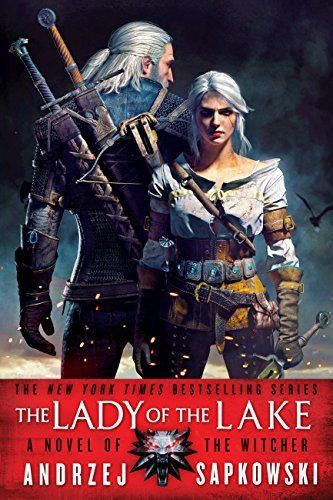
A Fitting Farewell to the Witcher Series

I wondered how the author would conclude this fantasy series with so many characters, plots, and subplots, and I was pleasantly surprised by the ending. In the previous book, we left Ciri in a different world with the elves, who knew of the prophecy and her supposed role in it. In this book, Ciri is trying to return to Geralt and Yennefer, who are each fighting their own battles.

The Battle of Brenna is one of the highlights of the novel. Told through multiple points of view—especially from the perspective of the field hospital staff struggling to save lives—it is written with remarkable skill and emotional impact. Another clever narrative choice is the way the author lets us glimpse the future, where the present story has already turned into legend, and then allows those future characters to influence events in the present.

The ending is open to interpretation, and I can see how some readers might be unhappy with it—particularly with how Emperor Emhyr’s quest concludes, what becomes of Geralt and Yennefer, and where Ciri ultimately ends up. For me, though, this was a satisfying, if unorthodox, conclusion to the series.

This is a series that will truly benefit from a reread; there are so many Easter eggs and layered details that are easy to miss the first time around. I am not sure when I would have the time or energy to re-read the series. Happy reading.

“I’m alive, she thought. So it’s not the end of the fight. The fight only end with death, everything else is just an interruption”

“Any dream that we dream for too long becomes a nightmare. And from it we awake with a scream.”

Reading Goals for 2026

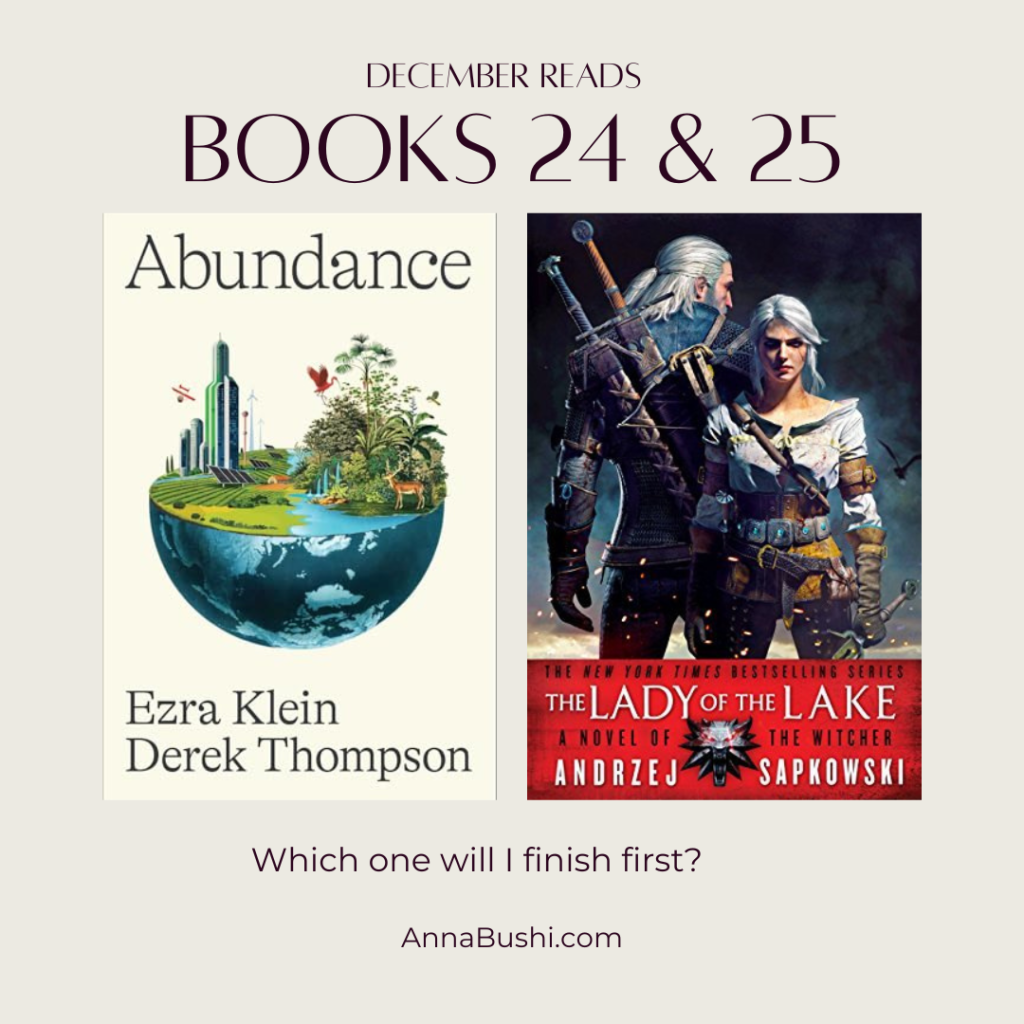
As the year winds down, I’ve been taking stock of my reading goals—because of course I have. My goal for 2025 was to read 25 books. As of now, I’m at 23, and currently reading two books at once: Abundance (non-fiction) and Lady of the Lake, the final book in The Witcher series. Surely reading hefty fantasy tomes should count as at least two books each, right? I remain cautiously optimistic that I’ll limp across the finish line at 25 before the year ends.

In January, I’ll share my favorite reads of 2025, but for now I’m already thinking ahead. My reading goal for 2026 is—boldly, bravely—the same: 25 books. Mostly fiction, a sprinkling of non-fiction, a mix of new releases and classics I’ve somehow missed. The challenge, of course, is that as I write Book Three of my fantasy series, I’ll also be reading other fantasy novels… many of them comfortably over 100,000 words. Epic quests are wonderful. They are not fast.

Wish me luck. And tell me—what are your reading goals for 2026?


Devoured this book in three days

From start to finish, I devoured this book in three days—turning pages over my morning coffee and reading at night instead of watching television. There are no dragons, no grand calamities, nothing fantastical to demand attention. Instead, Towles gives us something even better: exquisite prose, fully realized characters, and a marvelous, atmospheric portrait of New York City.

Set in 1938, the story follows Katey Kontent and her roommate Eve, who meet Tinker Grey, a wealthy banker, on New Year’s Eve—and from that moment, Katey’s life shifts. Eve burns bright, all impulse and charm. Katey is the reader (I now want to read every book she references), the observer, the deep thinker. And Tinker… he’s the man doing the wrong things for what he believes are the right reasons.

“It is a lovely oddity of human nature that a person is more inclined to interrupt two people in conversation than one person alone with a book.”

“If we only fell in love with people who were perfect for us…then there wouldn’t be so much fuss about love in the first place.”

“I’ve come to realize that however blue my circumstances, if after finishing a chapter of a Dickens novel I feel a miss-my-stop-on-the-train sort of compulsion to read on, then everything is probably going to be just fine.”

This novel feels like an ode to being young—making mistakes, forging friendships, and stepping boldly into life even when you don’t fully understand it. Towles captures that restless, hopeful energy with such elegance.

I’ll definitely be reaching for more of his books.

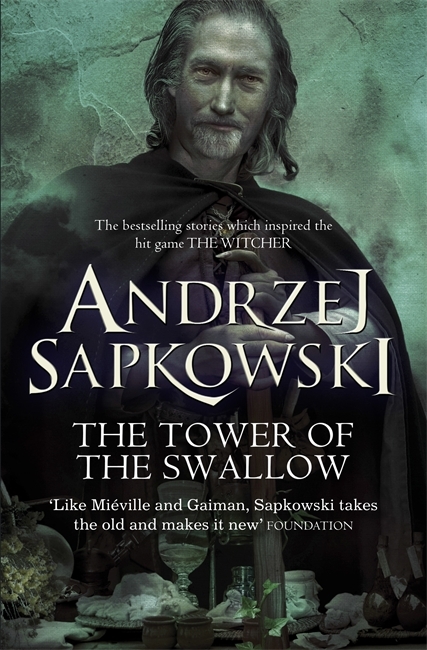
Witcher Book Review – Tower of the Swallow (Book Four)

This book picks up right where Book Three left off, with our protagonists scattered across the continent, each desperately trying to reach the others. The story unfolds through multiple POVs, across shifting timelines, and with what feels like dozens of characters and locations. I only vaguely remember some of the peripheral players, yet it never diminished my enjoyment or my ability to follow along. That may not be the case for all readers, but for me, the sheer scope of this world is part of the charm.

“Mamma, are they demons? Is it the Wild Hunt? Phantoms from hell? Mamma, mamma! Quiet, quiet, children. They are not demons, not devils . . . Worse than that. They are people.”

I remain in awe of the complex, deeply layered world the author has built—and the authentic voices he manages to give every single character. Not much “happens” in the grand scheme of the series arc. The violence and torture are graphic, and I skimmed those sections.

Geralt is no longer hunting monsters; he is knee-deep in political intrigue, trekking toward Ciri with a vampire, Dandelion, an archer, and Cahir as companions. Their interactions and misadventures are consistently engaging. Dandelion is, of course, writing a memoir—glimpses of which we get—and it adds a humorous, meta touch. Yennefer appears only briefly, while Ciri’s story is mostly told in flashback, and just when we catch up to the present timeline… the book ends abruptly.

Some sequences, like the ice-skating scene near the end, are elaborate and beautifully constructed—showcasing the author’s incredible choreography. I’m honestly not sure how he plans to wrap up this sprawling saga in one final book, but I’m eager to find out. I’ll be diving into the next one soon.