My first book by this author

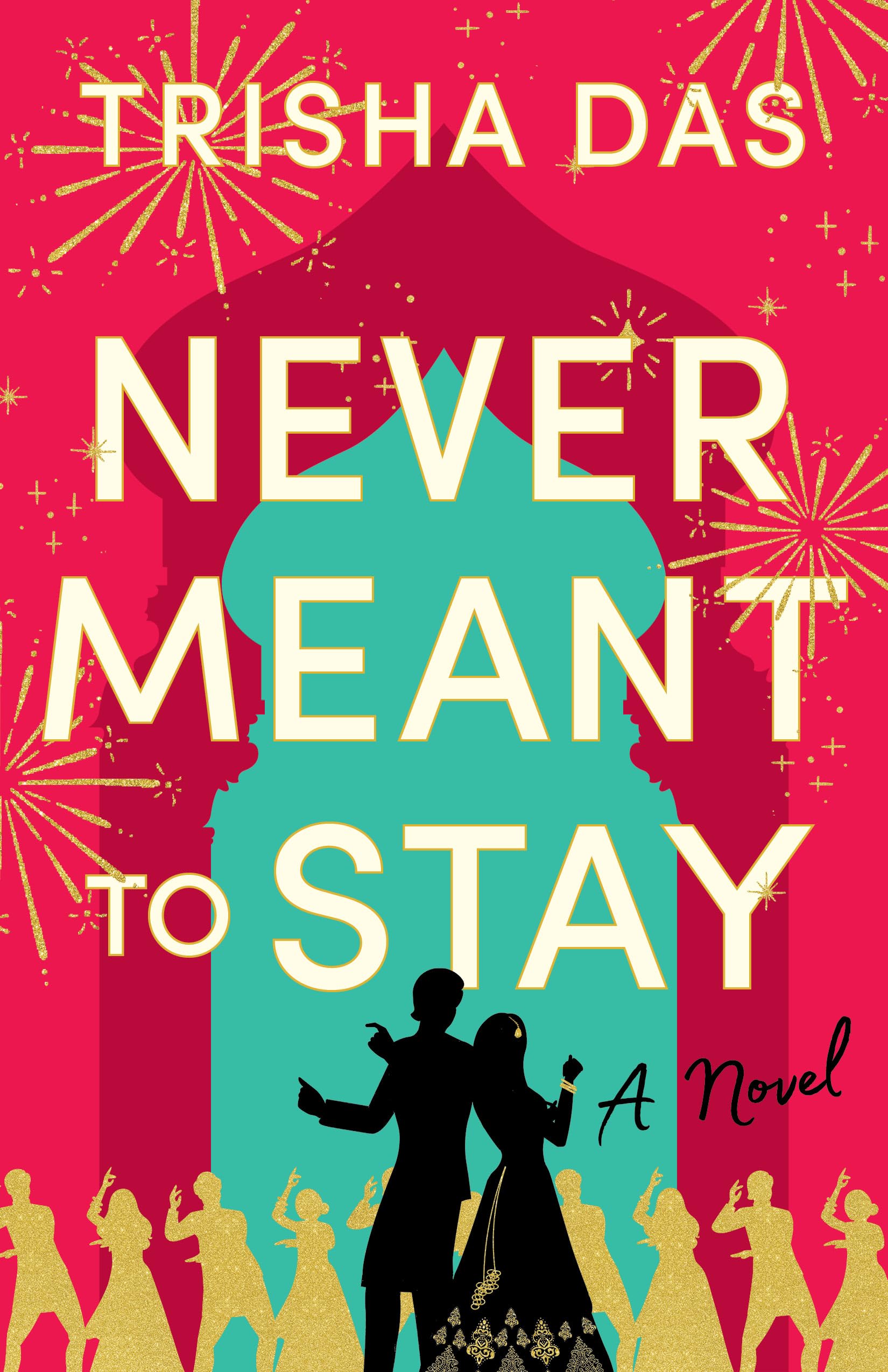
This is my first book by Trisha Das, and it definitely won’t be my last. The story begins with a charming meet-cute between Samara and Sharav at a wedding Samara is photographing. Their paths cross again when Samara moves in with Sharav’s family—her diplomat father is posted overseas, and they graciously take her in.

Sharav is already engaged, but Samara, an only child with an often-absent father, quickly becomes a ray of sunshine in a family still grieving the loss of their own patriarch. She brings warmth and change: helping the mother rediscover her passion, guiding the sister toward love, and giving the brother a much-needed confidence boost.

But the real question is—can she help Sharav see what’s truly in his heart?

Set against a beautifully modern Indian backdrop, this was a fun and heartwarming read. I’ll definitely be picking up more from this author!

Easy read for romance lovers

Stella and Samuel met nine years ago, fell apart, and now find themselves face-to-face again at their best friends’ wedding in the Italian countryside. There’s plenty of unfinished business between them, and the story unfolds in dual timelines—then and now—slowly revealing what went wrong and whether a second chance is even possible.

At first, Stella is hard to love. She hides from her own happiness, shaped by anxiety and a past event that still lingers. Samuel, on the other hand, wants more than Stella has been able—or willing—to offer. Their emotional push and pull feels very real.

The setting is a dream. Ali Rosen paints the Italian countryside in lush, sun-drenched detail, and the food descriptions are so vivid you’ll be craving pasta and wine before you’re halfway through. I also loved the way Stella is surrounded by loyal friends, even if she’s kept parts of her life walled off from them.

A thoughtful, easy read for romance lovers

Some lines that really stayed with me:

But I have never understood until this moment that leaving things unsaid doesn’t make them go away.

I am nothing if not a dependable person who can ignore her own anxiety to get shit done. For other people.

I’d always known deep down that I was too complicated for him, but he deliberately didn’t see it. Until one day he did.

Let this book unsettle you

This is my first time reading Danielle Evans, and it certainly won’t be my last. The Office of Historical Corrections is easily one of the best books I’ve read in recent years. Each short story peels back layers of the past with such precision that, as a reader, I often found myself breathless—my assumptions upended, my heart racing, my mind scrambling to catch up.

What Evans does so masterfully is remind us that we only get to live one life—but through fiction like this, we get fleeting, powerful glimpses into so many others. These stories offer a vivid, unflinching look at contemporary America, making us think, ache, and—if we’re lucky—grow a little in the process.

The characters here are deeply human and often flawed, and it takes real courage to write them the way Evans does. This book isn’t a warm embrace; it’s a bracing splash of cold water—a jolt of truth and perspective.

Go read these stories. Let them sit with you. Let them unsettle you. You won’t regret it.

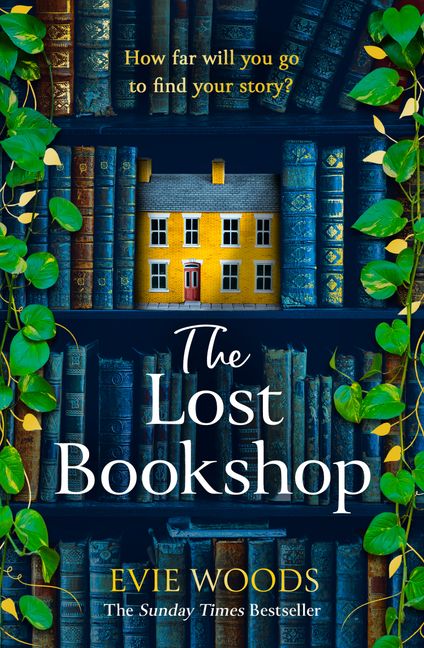
Book Review: The Lost Bookshop

This book blends historical fiction, magical realism, and a touch of romance, all wrapped in a love letter to books. Told in dual timelines, the story that stayed with me most was Opaline’s—set in 1920s England. She dreams of becoming a book dealer, a love instilled in her by her father. Her journey takes her to a charming bookstore in Dublin, where she carves out a slice of her dream before life knocks her down again.

In the present timeline, Martha is on the run from an abusive marriage and finds work as a housekeeper. Henry, a PhD student chasing a lost manuscript and a mysterious bookshop, crosses paths with her. I’ll admit, the contemporary storyline didn’t grip me as much as the historical one, but the plot does pick up pace in the second half.

Overall, this is a lovely read—especially for classic book lovers. There’s something magical about the idea of a hidden bookshop waiting to be discovered.

Go read this series

I just finished Speaking Bones, the final book in the Dandelion Dynasty series. Just—wow. How does a human mind dream up such a vast array of deeply human characters and build a magnificent world around them? I’m simply amazed.

Our beloved—and not-so-beloved—characters return for this series finale. Théra across the sea, Phyro, Fara, Savo, Jia, Timu in Dara—each faces challenges that threaten their lives and dreams. Ken Liu masterfully brings four books’ worth of intricate plots to a satisfying and powerful conclusion, even weaving one of the gods back into the story.

I love that the heroes are engineers, using skill and ingenuity to fight their battles. There are many philosophical threads too, especially on what makes a good ruler, but the true beating heart of this series is its characters.

There’s one character, introduced way back in book one, who emerges as the lynchpin of the entire saga. Their arc is incredible—full of doubts, certainties, triumphs, and heartbreak. Several scenes broke my heart, but the resilience of these characters kept me going.

This series is epic in every sense of the word and absolutely worth the time. Highly recommend!

Why did I wait so long?

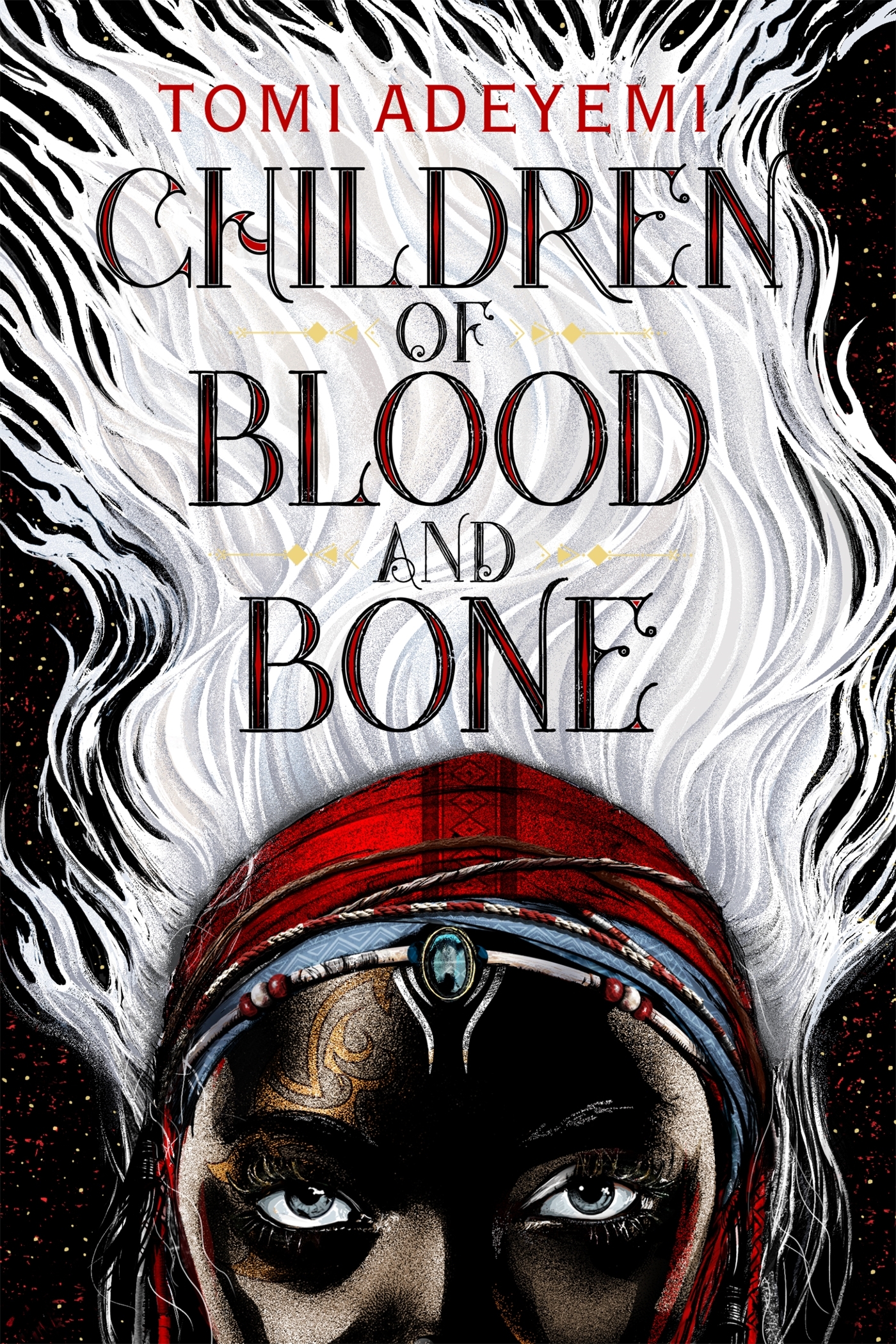
I finally got around to reading my signed copy of Children of Blood and Bone—a treasure I picked up from my local bookstore, Mysterious Galaxy, during the pandemic—and I’m so glad I did.

The world building in this book is phenomenal. From the characters to the magic system to the lyrical names, everything is vivid and immersive. And the cover? Stunning. I appreciated it even more after reading the book and catching the subtle symbolism woven into its design.

I was especially fascinated to learn that some of the magical elements are inspired by Yoruba beliefs, including Ase, the divine energy force. What a beautiful way to be introduced to aspects of Nigerian culture and spirituality through fiction.

This is a powerful, heart-pounding start to a series, and I can’t wait to dive into the next book. Highly recommended for fans of richly imagined fantasy rooted in real-world mythologies.

This book made me cry!

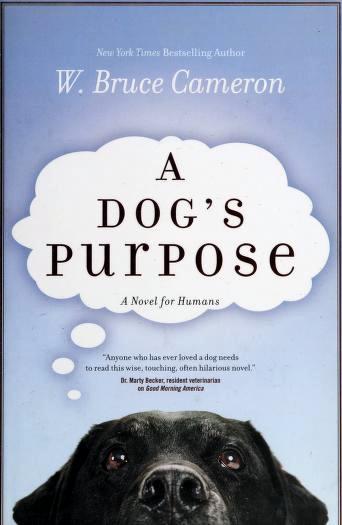
I was reading A Dog’s Purpose in public, tears streaming down my face, trying to wipe them away quickly before anyone noticed. I didn’t expect a story told from the perspective of a dog to touch my heart so deeply—but it did, in the best way.

As someone who has fostered a dog, I’ve felt that kind of unconditional love before, and reading this felt like being wrapped in a warm, familiar hug. There’s something so comforting and pure in the way the author captures the loyalty, love, and purpose our furry friends bring to our lives.

Kudos to W. Bruce Cameron for not only melting our hearts but also offering a beautiful reminder of how deeply we can love—and be loved. This is a story for all ages, whether you’re a lifelong dog lover or simply someone who appreciates a good cry and a story that lingers.

The Portrait of a Duchess

The Portrait of a Duchess is my first book by Scarlett Peckham. Set in the 18th century, this novel follows Cornelia, a renowned painter famous (or infamous) for immortalizing women whom society has deemed unworthy. She and her friends are determined to fund an institute dedicated to women’s equality and education, but securing a location for her art exhibition proves challenging.

Enter Rafe—the male protagonist, a newly minted duke, and, as it turns out, Cornelia’s long-estranged husband. Their marriage was one of convenience, and they never lived together, but now, he has news of an inheritance that could secure her financial future—provided she is married. With mutual goals in mind, they strike a bargain: if she returns to her childhood home, she can use it for her exhibition.

Rafe is a big-hearted man who falls in love easily, while Cornelia fiercely guards her independence, knowing that in her time, a wife was legally her husband’s property. The novel boldly explores themes of autonomy, love, and the constraints of marriage, making it a refreshing yet unconventional historical romance.

This book may not be for everyone—it challenges traditional romance tropes, and the ending isn’t the standard happily ever after. But for historical romance readers open to an independent heroine and a nontraditional approach to monogamy, this is a compelling and thought-provoking read.

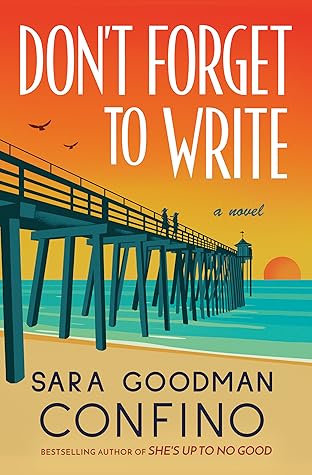
Don’t Forget to Write

Don’t Forget to Write is a delightful, quick read that I finished in just a few days. Set in 1960, the story follows Marilyn, a bored 20-year-old who finds herself in quite the predicament after an ill-fated makeout session with the rabbi’s son—right in front of the entire congregation, thanks to some poorly placed stained glass. Her punishment? Being shipped off to stay with her Great Aunt Ada, a matchmaker with a Cadillac, an impressive collection of Hermès scarves, and a rebellious streak that shakes up everything Marilyn thought she knew.

As Marilyn navigates life with Ada, she discovers just as much about herself as she does about her unconventional aunt. There are, of course, cute boys along the way, but the heart of the novel is in its exploration of family, identity, and independence. I especially enjoyed all the little details about Jewish culture and 1960s New Jersey.

The world loves to destroy what it doesn’t understand.

“A gilded cage is still a cage. Most people don’t see the bars that hold them.”

Definitely recommend this one for fans of strong women and their stories! I actually enjoyed this more than the first book I read by this author, She’s Up to No Good.

A Melancholic Tale of Immigration and Resilience

Sing, Wild Bird, Sing carries a thread of melancholy as it weaves a journey that begins and ends in America, with glimpses of Ireland in between. At its heart is Honora, a woman who escapes poverty in Ireland to seek a new life in the U.S.—a story shared by countless immigrants.

Honora, both the protagonist and narrator, is not an easy person to love at first. She has built a hard shell around herself, a shield forged by hardship and survival. But as her layers slowly peel away, her resilience and yearning become clear. I found myself rooting for her, wanting her to soar, unburdened, like the wild bird in the title.

“Look for the one who sees the blessing.”

“The people you have been, they are ghosts, now, Honora, she told herself. Let them go. Set them free, and concern yourself only with going on, from now on.”

The novel also draws fascinating parallels between the struggles of Irish immigrants and the experiences of Native Americans in the mid-1800s, adding depth to its historical perspective. A compelling read for fans of American historical fiction.